Effective Spark Plug Thread Repair for Harley Davidson and Other Motorcycles
June 6, 2023 TIME-SERT Kits, Uncategorized No Comments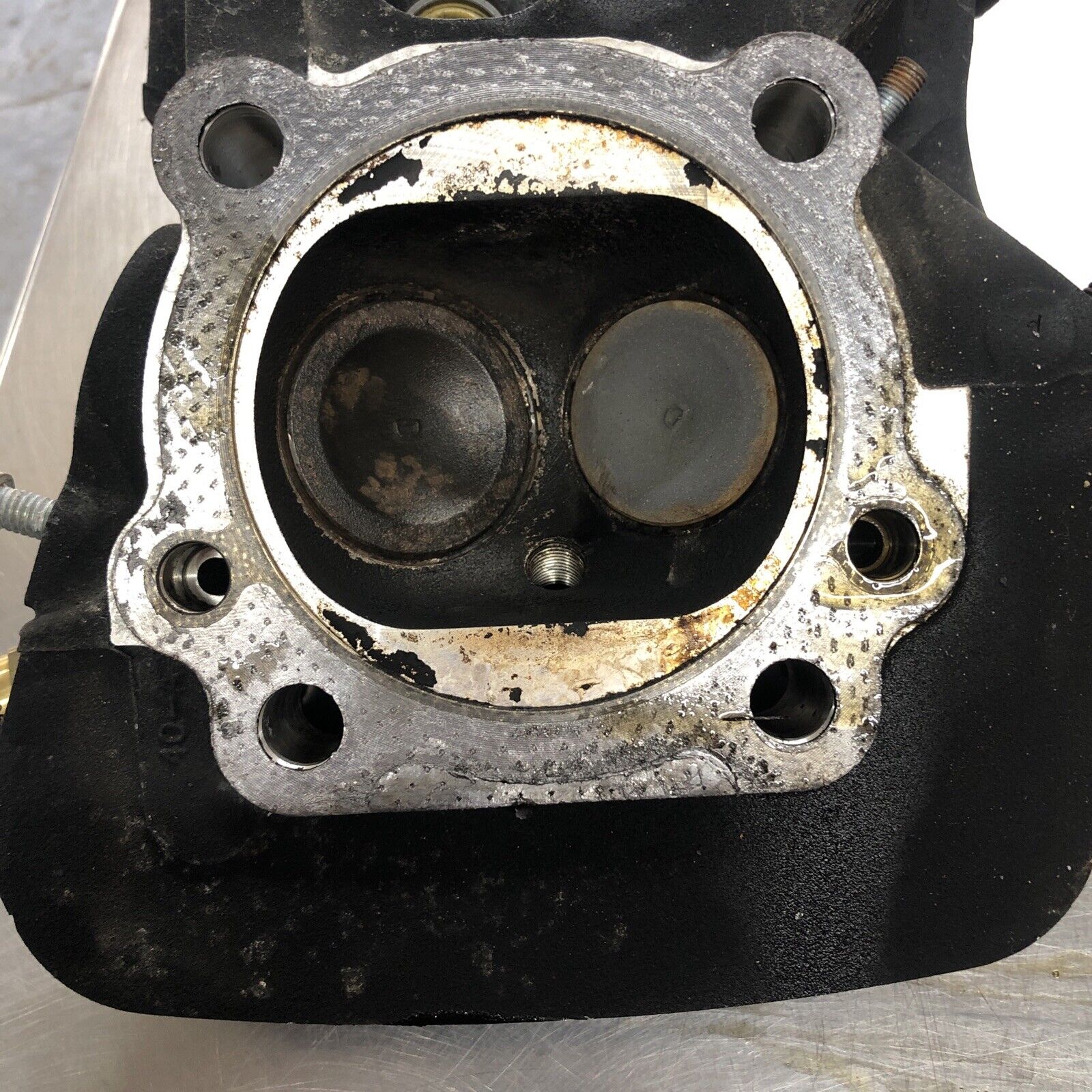
Motorcycles from different parts of the world, including Harley Davidson, Japanese brands, and European manufacturers, often encounter issues with spark plug threads. Founded in 1903 in Milwaukee, Wisconsin, Harley Davidson is one of the oldest motorcycle manufacturers globally, known for its iconic V-twin engine design and loyal community of enthusiasts. Japanese motorcycle manufacturers like Honda, Yamaha, Kawasaki, and Suzuki have made significant contributions to the industry, with Honda becoming the largest motorcycle manufacturer by 1964. Japanese bikes are recognized for their reliability, fuel efficiency, and technological advancements. European brands such as BMW, Ducati, Triumph, and KTM have a rich heritage, renowned for their craftsmanship and performance. BMW Motorrad, Ducati, Triumph, and KTM are well-known European manufacturers, each with unique characteristics and specialties.
When it comes to repairing spark plug threads, DenLors Tools provides top-quality kits that ensure reliable and long-lasting solutions for Harley Davidson motorcycles and other brands. In this article, we cover the process of repairing Harley Davidson spark plug threads, addressing common questions along the way. If you need assistance in selecting the appropriate kit, feel free to reach out to us at 800-734-8665.
We understand the frustration of customers who have previously used ineffective parts store kits for spark plug thread repair. Many of these kits fail to withstand the demanding conditions of heat, compression, and vibration, often resulting in spark plug blowouts. It is crucial to avoid common mistakes like using Helicoil, which relies on a wedge tool for insert security. This method is weak and unreliable, especially considering the expansion and contraction the repair insert needs to endure.
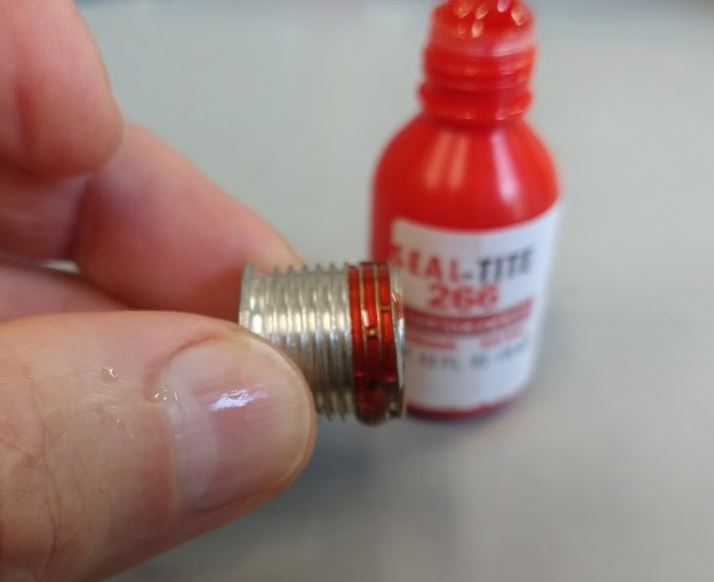
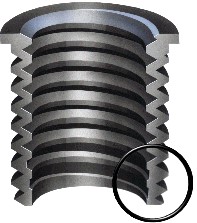
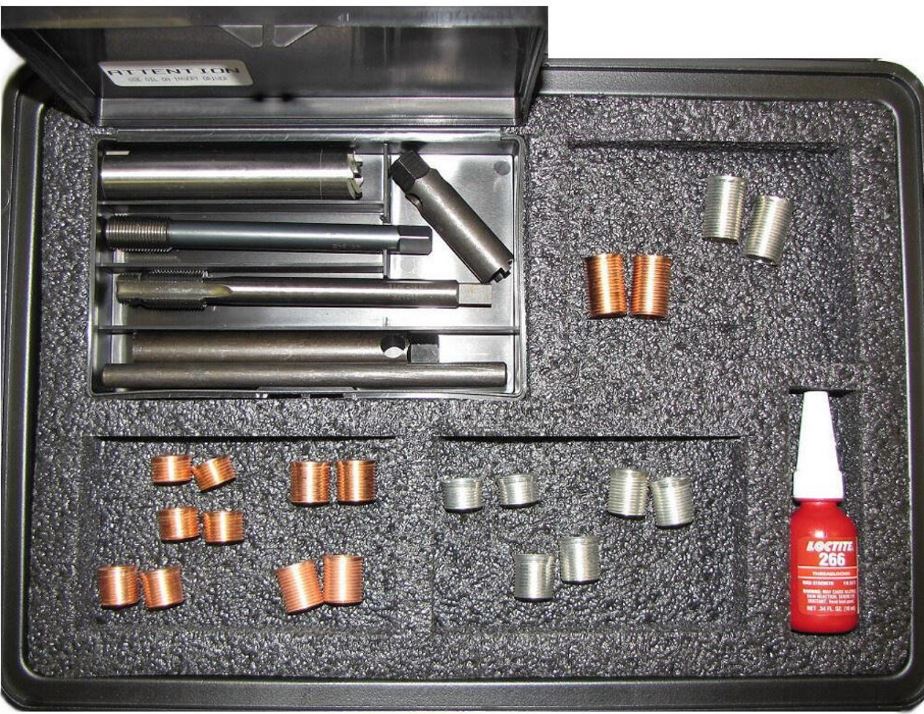
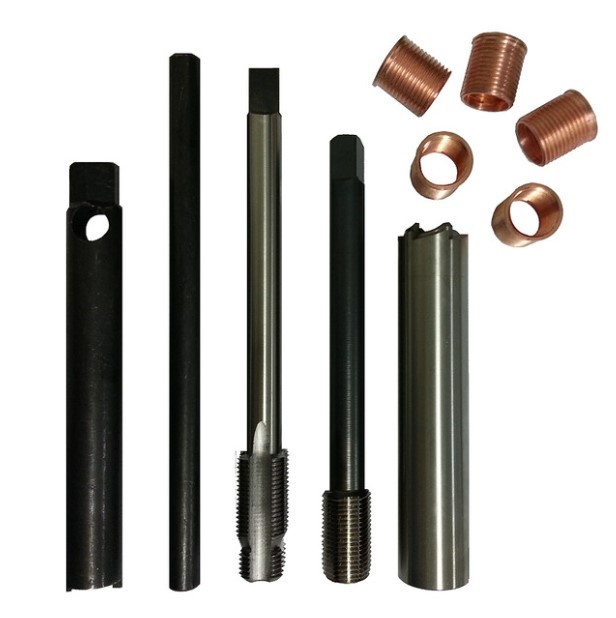
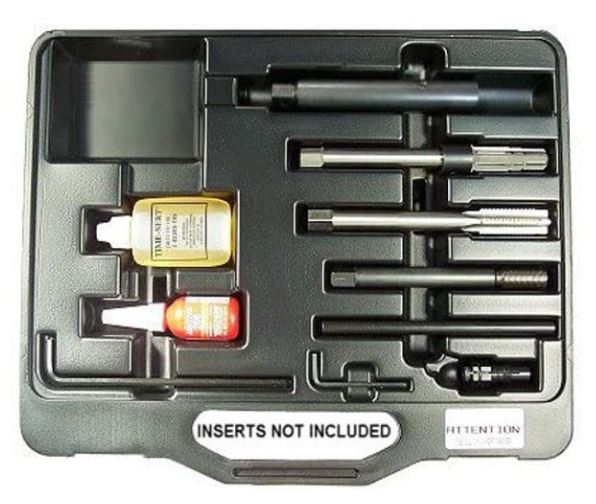
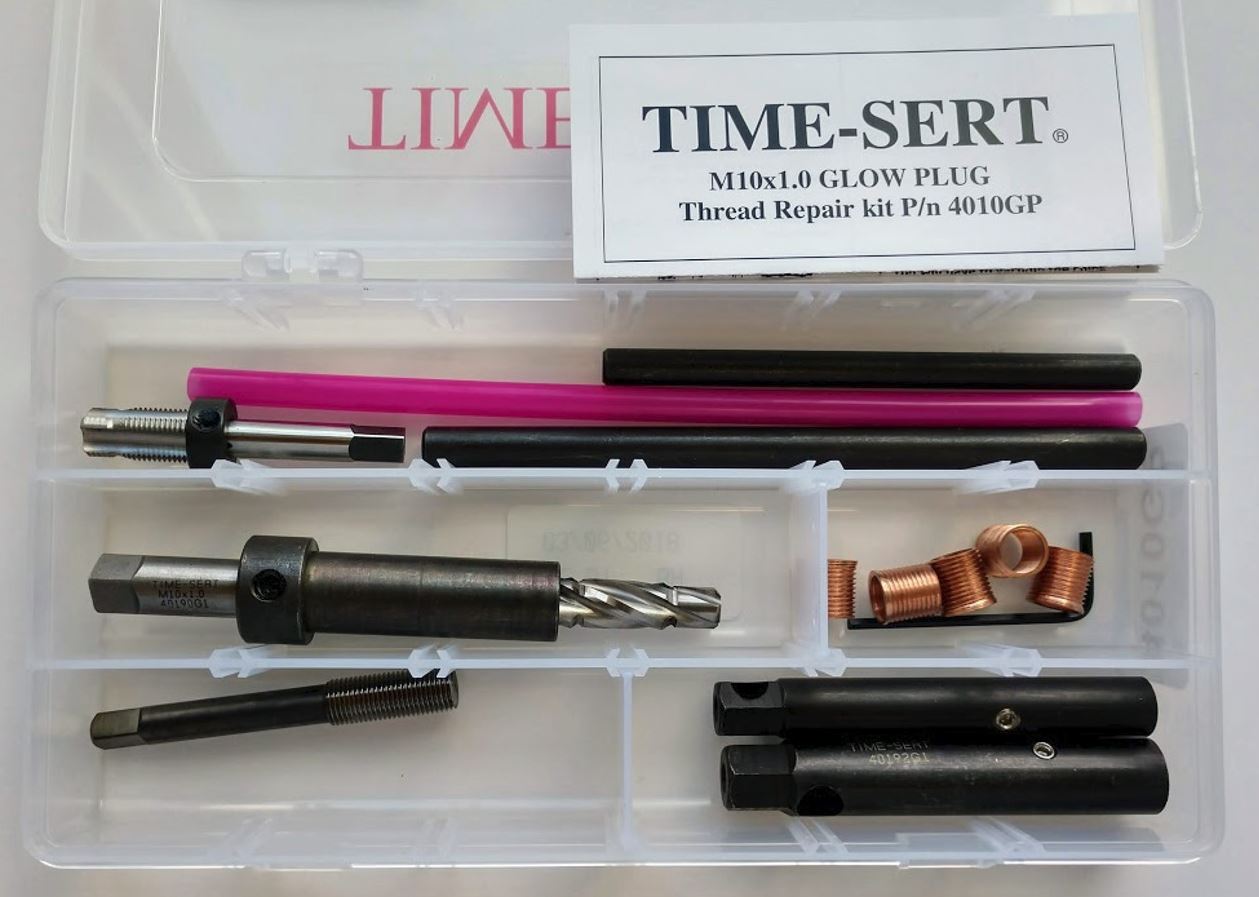
At DenLors Tools, we exclusively offer Time Sert kits that utilize superior inserts and installation techniques. These inserts are securely held in place by an installation driver that cold rolls the bottom threads. This unique process expands and spreads the bottom of the insert, providing a robust and durable repair solution. Additionally, we use permanent red high-temperature Loctite to enhance the insert’s stability further. With our approach, you can expect a reliable repair that can withstand extreme conditions.
Choosing the right kit for your Harley Davidson is crucial, starting with identifying the size of the factory spark plug hole. For many Harley Davidson motorcycles, the common size is metric M12x1.25 millimeters. In such cases, the Time Sert 4212 kit is the perfect choice. However, if you are performing a second-time repair after using an inferior parts store thread kit that caused the hole to become bigger, we recommend the Big Sert kit. Although Time Sert does not offer a specific “Big Sert” kit for M12x1.25mm spark plugs, you can utilize the 5212 kit along with the 52121 insert, considering the available material in the head and the fact that Harley plugs are washer seat, which improves the chances of success.
Now, let’s address some frequently asked questions about repairing Harley Davidson spark plug threads:
Question: I own a 1999 Harley Davidson with Champion 6R12 spark plugs. Will the 4212 spark plug thread repair kit work for my bike?
Answer: Yes, the 4212 kit is suitable for a first-time repair since the Champion 6R12 spark plug corresponds to M12x1.25mm, which matches the kit’s specifications. Don’t forget to purchase the 42123 washer seat insert separately. Other spark plugs sharing the same size as the 6R12 include NGK DCPR7E, DCPR7EIX, Champion RA8HC, DENSO IXU22, Autolite 4163, 4164, and Harley-Davidson 6R12.
Question: Will my motorcycle continue using the same size spark plug after using the Time Sert thread repair kit?
Answer: Yes, the repaired threads will still accept the same size spark plug as before. However, it is crucial to double-check the size before proceeding with the repair to ensure compatibility.
Question: The manufacturer, Time Fastener, mentions that Loctite is only necessary for taper seat plugs, not washer seat plugs. Can I skip using Loctite?
Answer: Technically, you can skip using thread locker if you are using a washer seat insert and plug. However, for added security and peace of mind, we recommend using Loctite as extra insurance. While not mandatory, using Loctite ensures a more secure and reliable repair.
Question: Why is your Time Sert 6020 thread locker more expensive? Can’t I use regular red Loctite that I already have?
Answer: Our 6020 is specifically designed for high-temperature applications. When repairing spark plug threads located in the combustion chamber, the insert threads can reach extremely high temperatures. Regular Loctite, such as 271 and 277, tends to burn away at around 200-300 degrees, rendering it ineffective in this scenario. Our Time Sert 6020, on the other hand, can withstand temperatures up to 500 degrees, ensuring its durability even under extreme conditions. It is worth investing in the right thread locker for long-lasting results.
Question: How does the bottom of the insert get expanded to secure it in place?
Answer: The Time Sert kit utilizes an installation driver that is crucial for expanding the bottom threads of the insert. Unlike other brands that require hammering a cone-shaped tool onto the insert, Time Sert’s installation driver cold rolls the bottom threads. This process not only finishes the threads but also spreads the bottom of the insert, effectively locking it into place. Combined with the application of Loctite 266, this method provides a far superior and secure attachment of the insert to the engine.
In conclusion, repairing spark plug threads in Harley Davidson motorcycles and other brands requires a reliable and effective solution. DenLors Tools offers Time Sert kits with superior inserts and installation techniques, ensuring durability and long-lasting repairs. By selecting the appropriate kit and following the instructions carefully, you can restore the integrity of your spark plug threads and ensure optimal performance for your motorcycle. If you have any doubts or need assistance, our team is always ready to help. Choose DenLors Tools for successful spark plug thread repair without the need to remove the cylinder head.
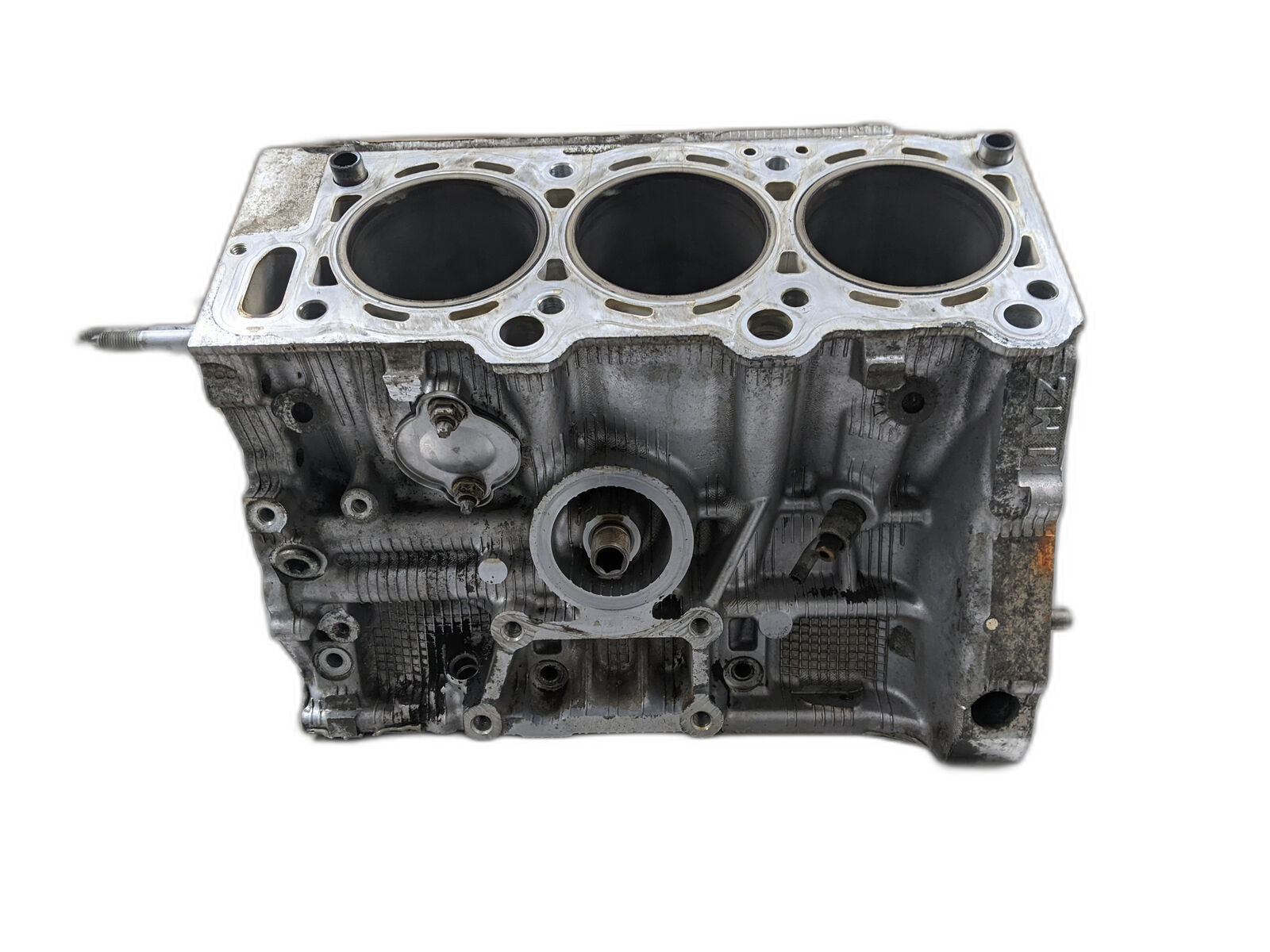
 Since you’ve found this page, chances are you’re either a Ford owner with a spark plug blowout problem or a mechanic (possibly a shop owner) looking for the best fix for his customer that has a Ford spark plug blowout issue. As you’re finding out, there are many choices and… many prices! Parts stores have the quick temporary fixes. We’ve been helping to make sense of spark plug thread repair options since 2005. We get calls frequently on Ford spark plug thread repairs questions. First time repairs, second time repairs and yes even 3rd or 4th time repairs! Ninety nine percent of the time our kits can fix spark plug threads when others have failed. And when parts store quick fixes fail, they end up making the hole even BIGGER. Read on for more information on permanent spark plug thread repairs or call us for personal assistance in choosing the correct kit for your situation and particular vehicle at 800-524-9783.
 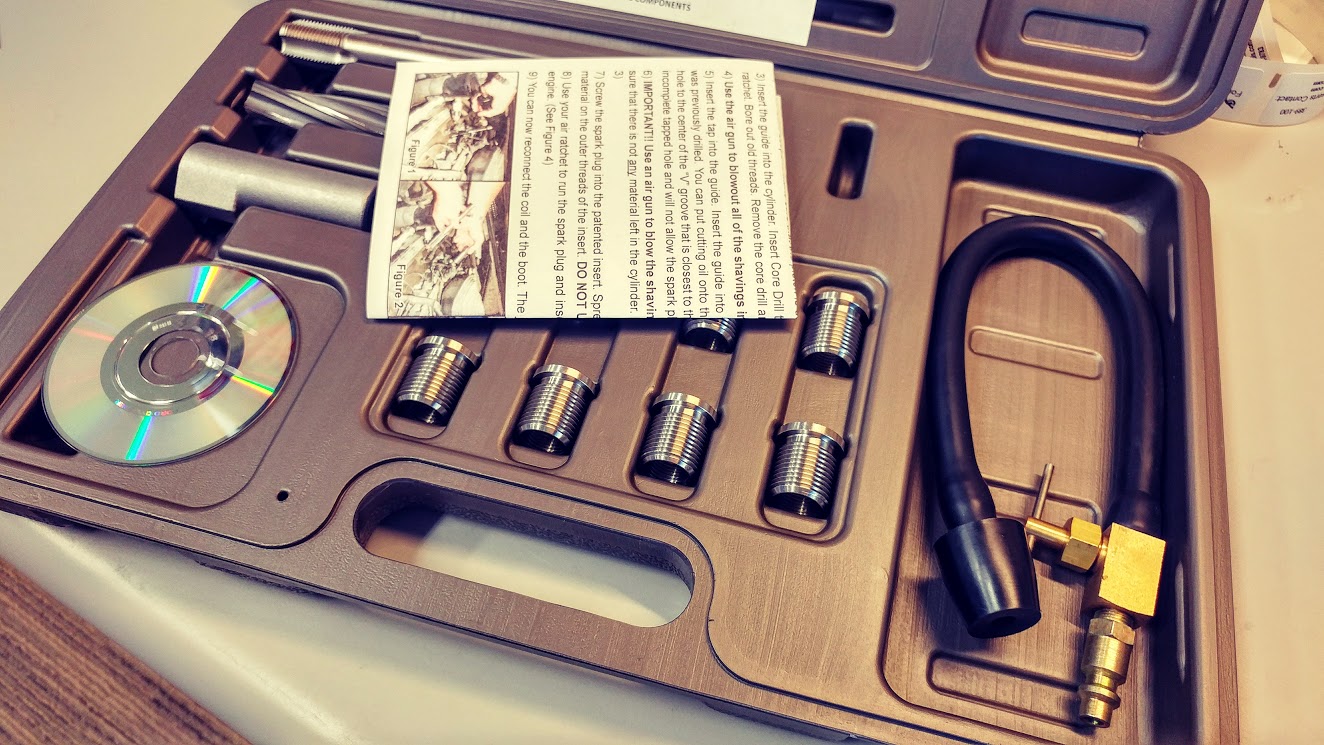 The most common problem we help people deal with is related to parts store thread repair kits that have failed. Once this happens the owner or shop sometimes tries unsuccessfully to re-install another of the same type inserts. When a parts store insert fails it makes the hole bigger, which prevents the same size insert from being able to help matters. Other times, some shops will say (mistakenly) that the cylinder head has to be replaced! If you have a similar situation, we can most likely recommend to you or your repair shop a professional, permanent type repair that will save the head and save a lot of money. No time to read? Call us at 800-524-9783 x251.